
Focal Length & Lenses: The Secret to Finding Your "Look"
- Lena Terry
- 7 days ago
- 3 min read

You can have the best camera in the world, but the lens you put on it determines how much of the world you see and how that world looks. Focal length is measured in millimeters (mm), and it basically defines your field of view.
Wide Angle (12mm – 35mm): These see a lot. They are great for landscapes or architecture because they "push" the background away, making spaces look massive.
Standard (35mm – 55mm): This is the "sweet spot" that mimics how the human eye sees. It’s natural, balanced, and perfect for street photography or everyday life.
Telephoto (85mm – 600mm+): These zoom in tight. They "compress" the image, making the background look like it’s right behind your subject—perfect for wildlife or cinematic shots.
My Journey: From "Kit Zooms" to Prime Power
When I started shooting at 13, I leaned on the basics: the 55-210mm and the 28-70mm. They were great for learning the ropes without missing a shot. But everything changed when I got my first prime lens: the 85mm f/1.8.
Even though I was young, that lens almost never left my camera. Yes, I had to walk five miles back just to fit a person in the frame, but it made me a better photographer. It forced me to move and think about my framing. I still own that lens today; it’s a total workhorse that provides incredible subject separation.
How I Choose My Glass Today:
The Wide-Angle Swap: I used to have a 20mm f/1.8, but I swapped it for the 16-25mm f/2.8 G. For wide shots, I realized I didn’t need f/1.8 as much as I needed the versatility of a sharp zoom that can handle my gimbal.
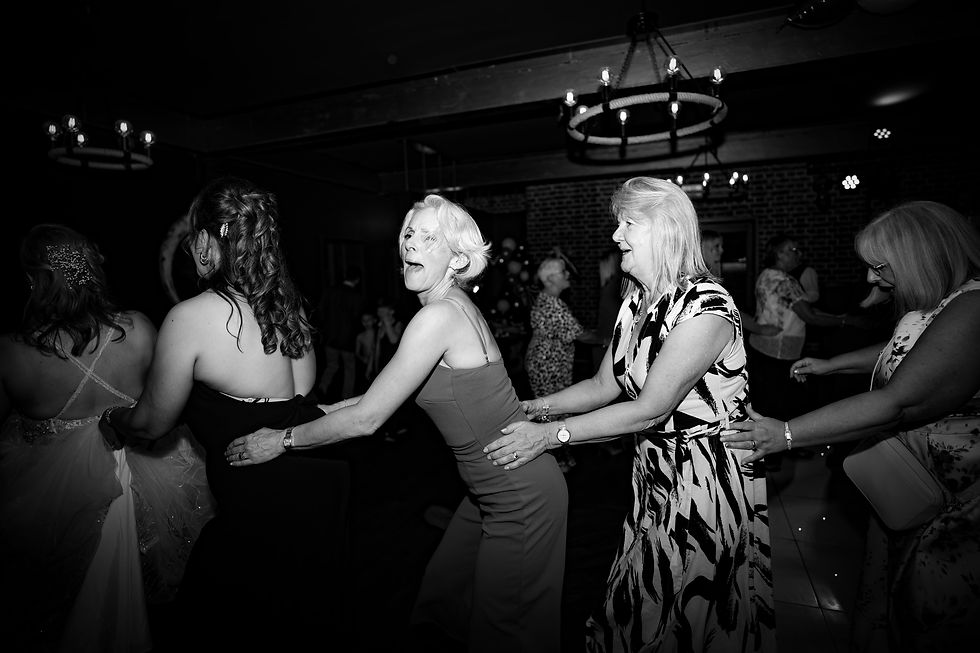
The 50mm Upgrade: The budget Sony 50mm f/1.8 felt too soft and loud for my video work. Now, for weddings or low-light situations, I use the 50mm f/1.4 GM. It’s purely cinematic.
The "Invisible" Lens: For street photography, I love the Viltrox 40mm f/2.5. It cost me about £100 and it’s tiny. Paired with my A7CII, it’s the perfect setup to take anywhere without taking up space.
The Specialist: My 90mm f/2.8 Macro is still a favorite—not just for bugs, but for incredibly detailed shots.
Viltrox: Stepping Up the Game
If you’re sleeping on Viltrox, you’re missing out. They used to be seen as just a "budget" alternative, but in 2026, they are seriously stepping up. Their newer Pro and LAB series lenses are giving Sony’s own glass a run for its money. They are sharp, well-built, and offer that "pro" look for a fraction of the price. My 40mm Viltrox is proof you don't need to spend £1,000 to get a lens that stays on your camera.
My Dream Travel Lens: Sony 24-50mm f/2.8 G
If I were to buy a travel lens today, this would be the one. Most 24-70mm lenses are heavy and bulky. The 24-50mm G is compact, lightweight, and still gives you that constant f/2.8 aperture. It’s perfect for a gimbal and covers the most common focal lengths you’ll actually use while traveling.
Which Focal Length for Which Style?
Street Photography: 35mm or 40mm. It’s wide enough to show the environment but tight enough to focus on a person.
Landscapes: 16mm to 24mm. You want that wide, sweeping view.
Events/Weddings: 24-70mm (for versatility) or a 35mm/50mm/85mm combo (for the "wow" factor).
Wildlife: 200mm and beyond. You need the reach.
My Advice: Don't get stuck on the kit lens forever. Buy a used prime early—even a cheap Viltrox. It will force you to move, think, and eventually, it will help you find the "eye" for detail that defines your style.


Comments